
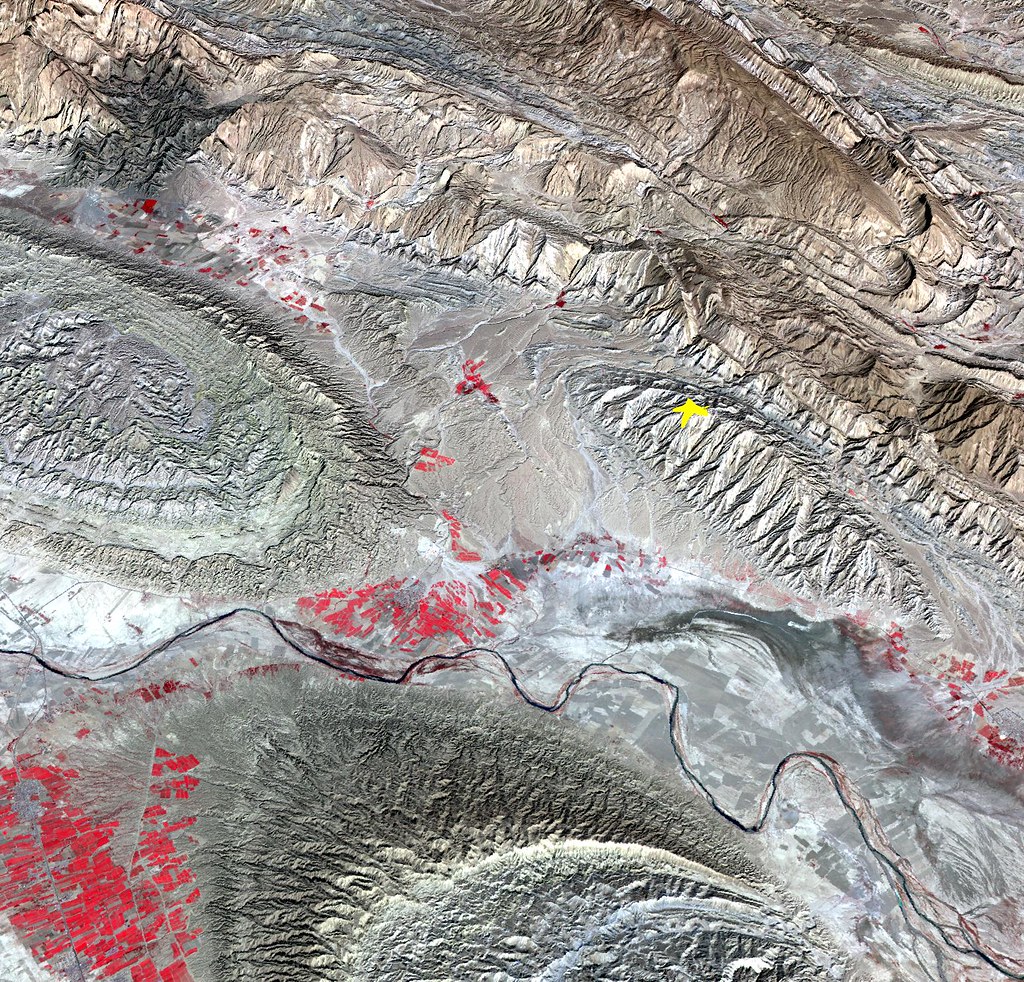
From over a century of intensive human activity, earth’s systems are failing.

To capture the idea that some of humanity’s problems are extremely challenging but resolvable — and therefore present the need for action — we developed the concept of a ‘problem-need’.
Three Main Challenges we seek to resolve are introduced below.
We provide Three Missing Pieces to help tackle these challenges — all available on this website, open access (CC-BY-NC-SA 4.0).
Three Main Challenges
Intensive human activity is causing the earth’s life-support systems to fail — the boundaries of its’ carrying capacity are continually transgressed, and its’ resources overused.
The ecosystem processes and services that have helped us succeed and become the dominant species are no longer reliable or stable enough for humanity to sustain indefinitely. The evidence is copious, incontrovertible, and repeatedly overlooked or downplayed. The consequences are severe, but play out over longer timeframes than are politically expedient — therefore motivation to act competes with current and prevailing socio-economic demands.
Current estimates show that on average the human population increases by ± 219,000 people every single day. The built environment—straddling and wholly reliant on ecosystems—is home to 80% of all human beings. Our buildings and occupants—us—withdraw resources and ecosystem services, but deposit waste and pollution, putting back almost nothing helpful in the process which might be of benefit to ecosystems and societies on wider scales than the immediate demand.
In short, humankind’s collective past and current short-sightedness are now severely limiting the earth’s carrying capacity and endangering the futures of all species alike.
Systematically under-performing projects in the built environment—new, redeveloped, or refurbished buildings and infrastructure—demand better ways to succeed and to define success. In search of answers and solutions, decades of experience and evidence-based applied research have repeatedly demonstrated three fundamental Problem-Needs, which we translate into our three main challenges, below.

Challenge 1: Human Nature
The first need is to overcome our own, inherent cognitive limitations, unconscious biases, and problematic mental shortcuts (heuristics) in project planning and decision-making. They prevent us from making decisions that contribute to a project’s sustainability, and cause us to make decisions that detract from and reduce project sustainability, despite our well-meaning efforts.
To meet this need, we’ve found that more successful projects have embraced innovations most usefully considered as:
This involves the science of harnessing the most helpful cognitive, behavioural, and interpersonal processes at a foundational level to improve project sustainability outcomes by consciously structuring and managing the decision process.
The next challenges specify two facets of the project sustainability problem and identify precisely which insights can readily be applied to improve sustainability outcomes.
Challenge 2: Delivering Broader Value
The second need is to consider and deliver a broader and deeper range of value through built environment projects, commensurate with humanity’s prevailing and projected conditions — meeting the needs of the present without compromising the ability of future generations to meet their own, whether human or nonhuman.
To meet this need, recent research has shown how successful professionals and stakeholders have employed the insights and innovations most usefully considered as:
A Value-via-Values Approach
This involves the science of harnessing specific, targeted behavioural insights: first identifying the foundational and enduring motivations known as Human Values, then characterising and communicating more sustainable goals and choice options — or framing them — in terms of those values, but specifically in project and organisational contexts.
This process is also a part of what is known as Choice Structuring and uses a technique now known as Values-Framing — a core competence for current and future professionals. Taken together, Values-Based Choice Structuring is key to delivering greater project value through sustainability improvements by linking them directly to stakeholder’s Human Values.
The final challenge specifies the need for a more robust form of decision-making and its management.
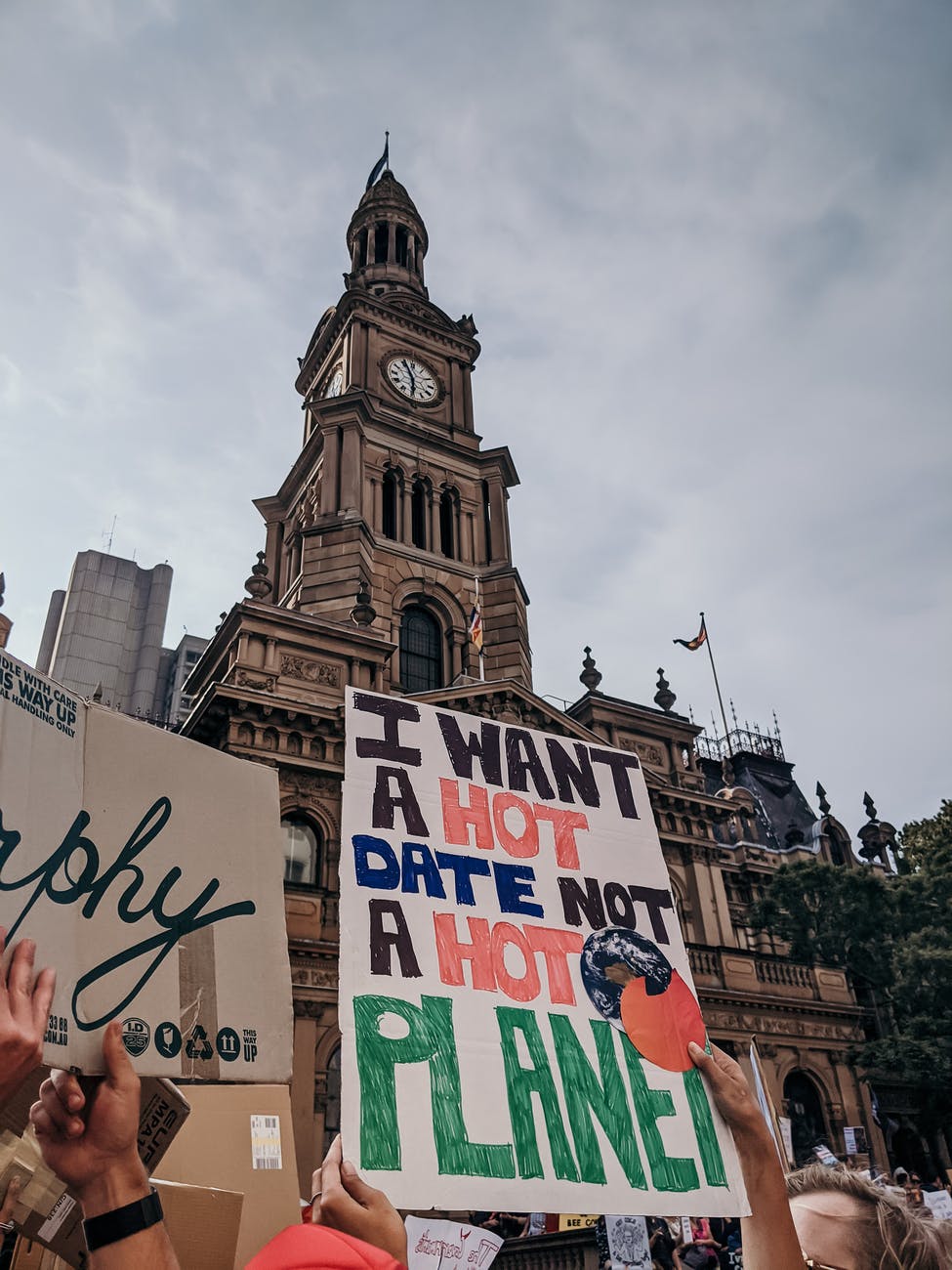

Challenge 3: Choosing Meaningfully
The third need is for all key project stakeholders to consider and choose more meaningful options and outcomes — because individually-meaningful choices can align with socially and environmentally meaningful outcomes — and also collectively provide greater stakeholder satisfaction.
To meet this need, successful professionals have facilitated decision-making processes most usefully considered as:
This involves the science of linking motivation (via values) with project planning and design communication (via frames) to facilitate more individually-meaningful choices (as decision-making ‘outcomes’).
Thus, overcoming human limitations and biases requires leveraging cognitive and behavioural sciences to consider and deliver a broader range of value from projects than is normally considered (i.e., financial value) by structuring and making more individually meaningful choices. The purpose of the BMF Initiative is to directly address these needs by identifying and providing three missing pieces.
Three Missing Pieces
The three challenges summarised above thus drive our work, where we provide insights and innovations toward practical, applicable solutions to Built Environment businesses and individuals.
We seek to resolve these three main challenges by supplying three missing pieces — all available on this website, for free, Open Access:

Strategic, Evidence-Based Insights
Sustainability and climate action remain major challenges despite decades of effort — delivering some advances whilst many people consciously choose business-as-usual.
In our work, we found that going beyond baseline regulations is resisted by stakeholders from nearly every part of the Built Environment sector — from clients and consultants to contractors and end-users. Initial enthusiasm and well-meaning efforts always face critical challenges, when a project’s sustainability credentials are eroded, and delivered projects almost never perform as intended. These are clear warning signs that the system is failing, and that alternative approaches are required.
Based on nearly a decade of work, we have developed several strategic, evidence-based insights — but at an alternative, more foundational level. This work, building on and advancing several decades of concerted international research and development, focuses on the individual’s perspective within interpersonal or group interactions. Here, conversations about sustainability happen and where decisions are made, and overturned.
This is the space where more individually-meaningful characterisations of sustainability are formed and transformed into more meaningful choices.
Making Research Accessible
Over the years, we’ve attended numerous events and seminars targeted at either academics or professionals. What became painfully obvious was that the only research which professionals used or consulted in their work was translated by others either through policy and regulation, or through construction products and systems. On occasion, some business managers access research in the form of mass-market monographs, non-fiction, or popular press — but rarely consult scientific research directly.
We see this as a significant gap and opportunity to bridge science and practice. Stakeholders in the initiative to Build Meaningful Futures are committed to finding and sharing practical solutions at individual, interpersonal, and social-interactive levels. This initiative provides a platform to:
- Share the practical solutions we have identified;
- Engage with you to help apply these solutions;
- Develop further novel approaches; and
- Learn from the successes of others;
towards improving human-environment sustainability.
We aim to continue moving beyond disciplinary boundaries to reach a wide variety of professionals and stakeholders with even broader networks to achieve a domino effect or network spread.
You will therefore find a range of issue briefs, practical primers, and practical guides which translate applied research into practical, pragmatic, accessible, and useful formats.
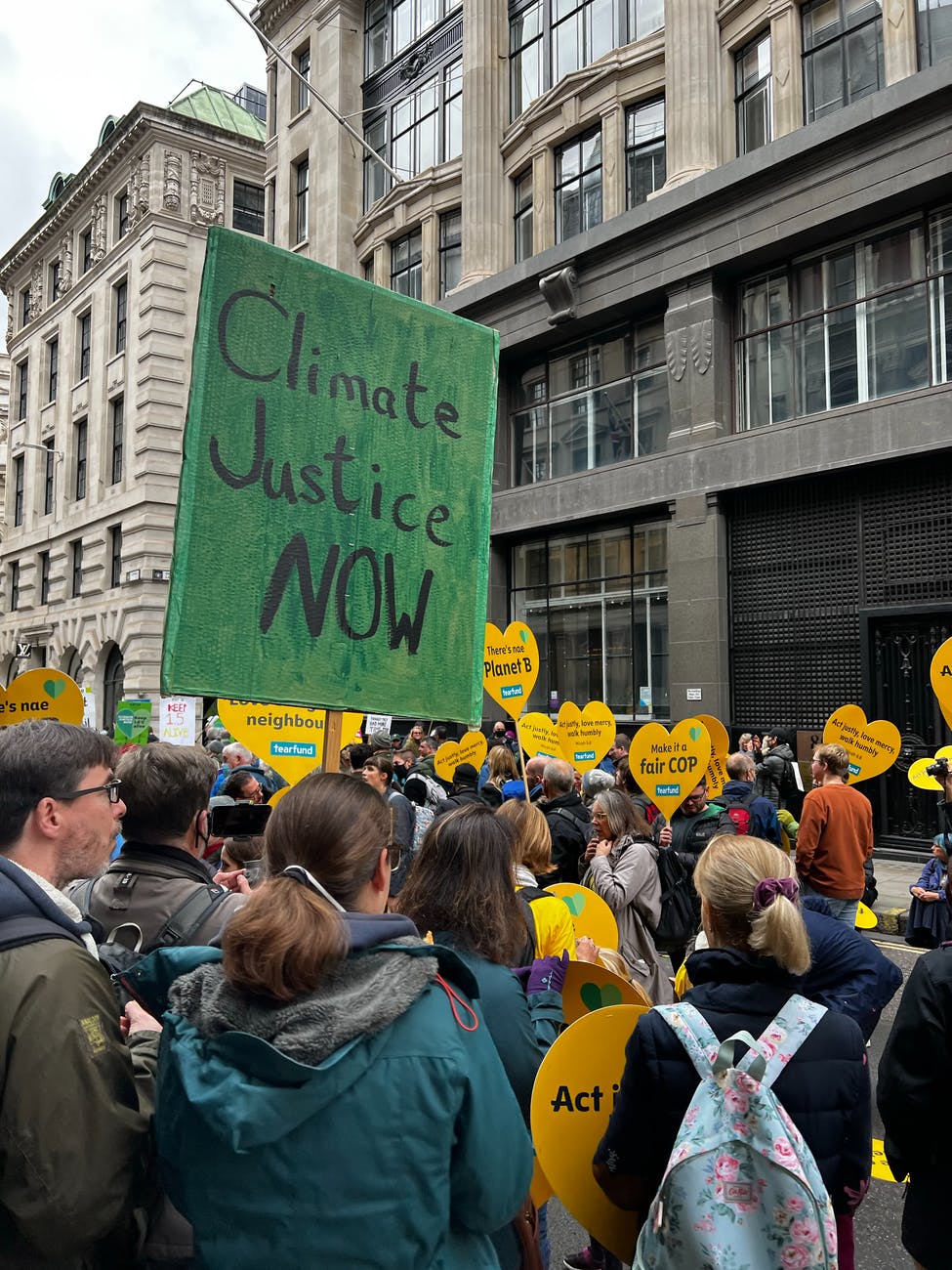

Open Access Project Support
Building Meaningful Futures means capitalising on the available, action-driven insights towards improvements in:
- Project planning and design processes,
- More sustainable project outcomes, and
- More responsive business processes.
Knowing the pressures that AEC businesses face, we provide a range of support on this website, accessible anytime, anywhere, all Open Access, fee of charge, subject to the Creative Commons License under which they are offered (CC) BY-NC-SA.
The BMF Initiative has already allocated substantial resources to creating and disseminating materials that you as individuals and business representatives can use immediately and efficiently.
 Building Meaningful Futures